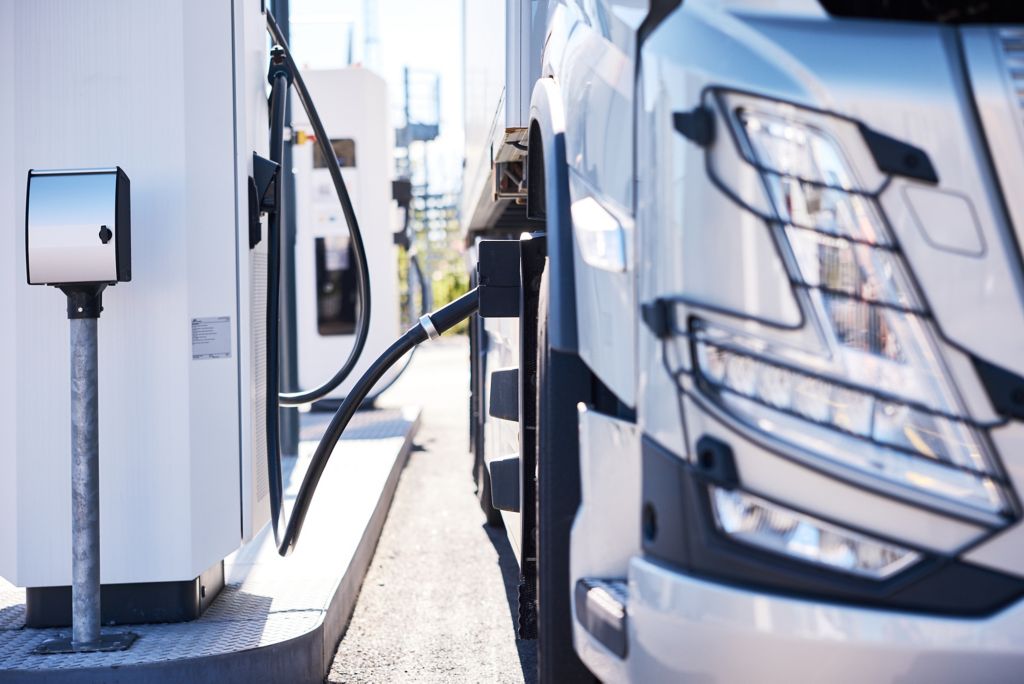
Electrifying a transport fleet requires more than buying electric trucks. The charging infrastructure and available power supply must also support the fleet’s operations. When several vehicles return to the depot and charge at the same time, power demand can rise quickly, putting greater pressure on the existing grid connection.
While upgrading the grid connection may be an option, it can be expensive and time-consuming, potentially slowing the expansion of the fleet. A BESS provides an alternative to a grid upgrade. By storing energy and supplying additional power during peak charging periods, a BESS allows fleet operators to support more vehicles and chargers without increasing grid capacity at the same rate.
Start with the energy system
Fleet electrification should start with the depot’s complete energy system, not just the vehicles. Assessing the available power, charging requirements, and potential need for battery storage early helps fleet operators identify constraints and plan the right energy infrastructure from the start.
Effective planning also takes the fleet’s operating pattern into account. Vehicle return times, dwell periods, and routes show when charging is needed. This helps fleet operators understand how charging demand fits within the available capacity and where battery storage could add flexibility.
Make better use of the existing grid connection
A BESS stores energy from the grid when demand at the depot is low, for example while vehicles are on the road, and then uses that stored energy during peak-demand periods. If solar power is available, a BESS can also store excess solar energy for later use.
This reduces peak power demand and provides additional charging capacity without requiring more power from the grid.
As a result, battery storage can help fleet operators add more chargers and vehicles within the limits of their existing grid connection and may reduce or eliminate the need for a grid upgrade.
BESS as a strategic asset
When several vehicles charge at the same time, they can create a high power peak and increase electricity costs through peak-demand charges. Managing these peaks can help fleet operators control energy costs. When it is not needed for fleet charging, a BESS can provide flexibility services to the grid and generate additional revenue.
Therefore, a BESS is not simply another cost related to electrification. It is an infrastructure asset that can support the overall economics of the operation.
Support for fleet electrification
A BESS is one part of a larger energy system. The right partner should also have knowledge of commercial vehicles, charging infrastructure, and energy management, as well as suitable financing options.
It is also important to consider the support available throughout the lifetime of the BESS, including service, maintenance, planning, and battery optimization.
Planning for growth
Growing an electric fleet does not necessarily mean that energy costs, demand peaks, and grid requirements have to increase to the same extent. By analyzing the depot’s energy system and the fleet’s operating needs, the potential role and value of battery storage can be assessed before an investment is made.
With the right set-up, a BESS can provide the capacity and flexibility needed to support fleet expansion. It can help fleet operators make better use of their existing energy infrastructure and grid connection, while managing energy costs and demand peaks. As part of a well-planned energy system, battery storage can therefore support the transition to electric fleets and provide flexibility as the operation grows.